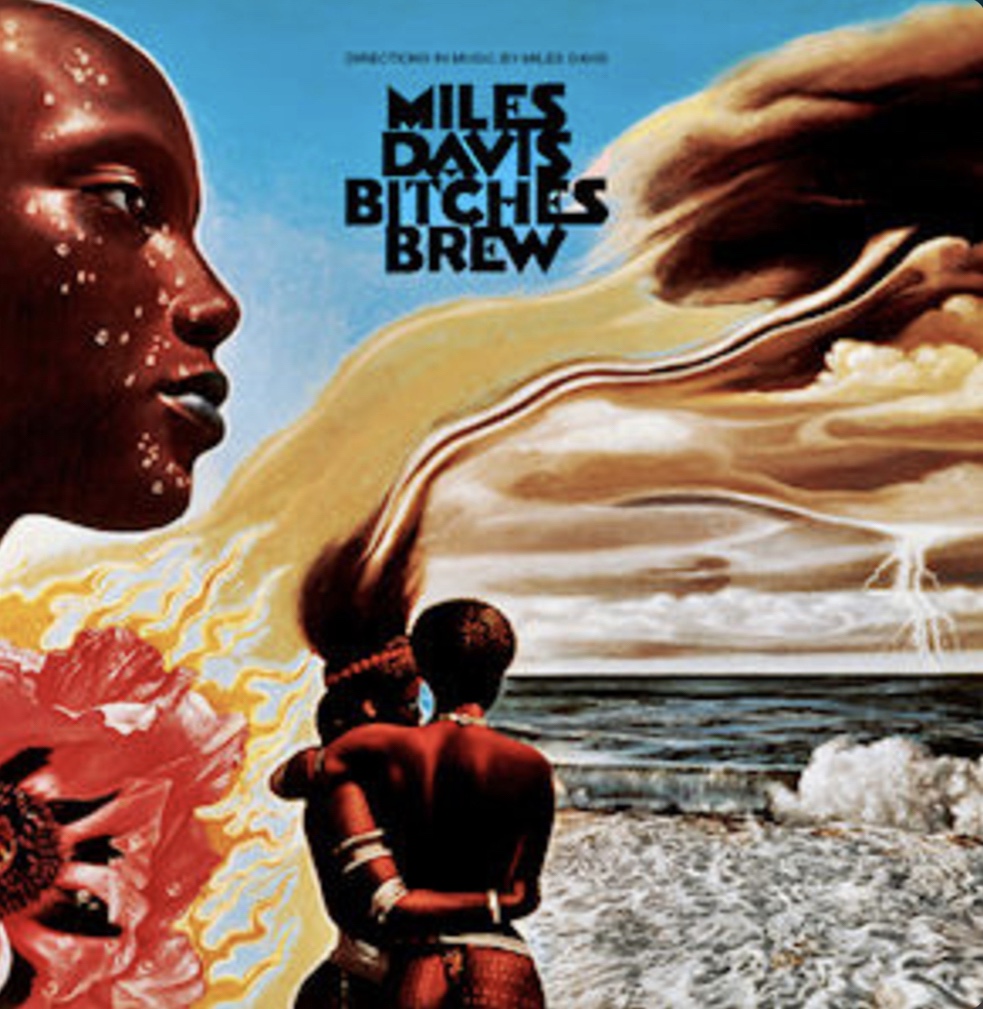
Feeling stuck in the same music genres? Trust me, I’ve been there: years of hard rock, punk, and metal left me thinking I had my musical tastes all figured out. But then something happened that changed everything. I stumbled upon Miles Davis’ “Bitches Brew”, and my mind was blown. It wasn’t just the fusion of jazz and rock; it was the freedom, the unpredictability, the sheer audacity of it. That album cracked open a door I didn’t even know existed, and soon I was diving headfirst into genres and styles I’d never imagined I’d enjoy.
Up until that point, I’d been pretty loyal to my favourites like punk, grunge, metal, indie: genres that felt like home. And don’t get me wrong, I still love them. But after exploring jazz, and then countless other genres beyond that, I realised something profound: music isn’t about fitting into a genre. It’s about the experience. Now, I’ve tossed genre loyalty out the window. For me, there are only two types of music: good and bad. That’s it.
The Revelation of “Bitches Brew”
Let’s take a minute to talk about the album that started it all for me: Bitches Brew. Released in 1970, this album is the sound of an artist breaking down walls. Miles Davis didn’t just bend the rules of jazz, he shattered them. The album fuses jazz with rock, funk, and psychedelia, creating a sonic landscape that’s wild, abstract, and utterly engaging. It’s an album that demands attention, pulling you into its chaotic rhythms, experimental solos, and sprawling compositions.
For me, listening to Bitches Brew was like hearing music with fresh ears. It didn’t sound like anything I’d heard before, and it challenged every musical boundary I’d been comfortable with. The swirling, improvisational style of Davis and his ensemble of musicians, who were also legends in their own right, introduced me to a kind of creativity that transcended the typical structure of rock or punk. It was like finding a new language.
Miles Davis’ Influence Across Genres
The influence of Bitches Brew reaches far beyond jazz. Musicians in genres as diverse as rock, hip-hop, electronic music, and metal have cited Miles Davis as an influence. If you love experimental rock, you’ve already felt the ripples of Bitches Brew. Bands like Radiohead have incorporated Davis’ approach to texture and soundscapes into their work. Even King Crimson and other prog-rock pioneers owe a debt to Davis’ use of improvisation and expansive compositions.
Hip-hop artists, too, have found inspiration in Davis. Q-Tip, one of the founding members of A Tribe Called Quest, has often spoken about how jazz, particularly Davis’ electric period, shaped his production style. You can even hear Miles’ influence in J Dilla’s beats, with their off-kilter rhythms and deep jazz samples.
That’s the thing about expanding your musical palette: you start to see connections everywhere. Suddenly, the boundary lines between genres begin to blur. You start to realise that jazz can influence metal, that classical music can inspire electronic producers, and that even your old favourite bands might have drawn from styles you never considered.
Expanding Your Own Tastes
So how do you break out of your own musical rut? Start by exploring jazz. It’s a genre that embraces complexity, emotion, and experimentation. If you’re like me and came from a background of heavy guitars and aggressive vocals, jazz might seem intimidating at first. But albums like Bitches Brew can serve as a bridge, blending the visceral energy of rock with the intricate layers of jazz.
Don’t stop there, though. Let this experience pull you further into other genres. Check out Herbie Hancock’s “Head Hunters” if you like the funky, fusion side of things, or dig into John Coltrane if you want to explore the more spiritual and introspective side of jazz. And jazz isn’t the end of the journey. From there, allow yourself to explore world music, classical, ambient, and beyond. Every genre has something unique to offer if you’re open to it.
Revisiting Old Favourites
What’s interesting is that expanding your taste doesn’t mean abandoning what you love. On the contrary, it deepens your appreciation for your old favourites. When I go back to my classic punk or metal records, I hear them with fresh ears. I notice the rhythm sections more, the interplay between instruments, or the subtle textures that I might have missed before. It’s like discovering new layers in songs I’ve listened to a hundred times.
This exploration has also opened me up to revisiting artists I once dismissed. For example, I had written off electronic music for years, but after diving into jazz and discovering its influence on early electronic pioneers like Kraftwerk, I gave it another chance and I’m glad I did. Now, I can appreciate the minimalist beauty of a good techno track just as much as the raw energy of a heavy guitar riff.
Music Without Boundaries
In the end, expanding your musical tastes is about breaking down boundaries, not just between genres, but between how you think about music altogether. Once you let go of the idea that you have to stick to one genre, you open yourself up to a world of creative possibilities. Music is no longer a collection of categories, it’s an experience that flows freely across styles, cultures, and time periods.
So, if you’re feeling stuck, start with Miles Davis. Let Bitches Brew shake up your expectations, then follow where your curiosity leads. Whether you end up exploring jazz, world music, or avant-garde electronica, you’ll find that the world of music is much bigger and more exciting than you ever imagined.